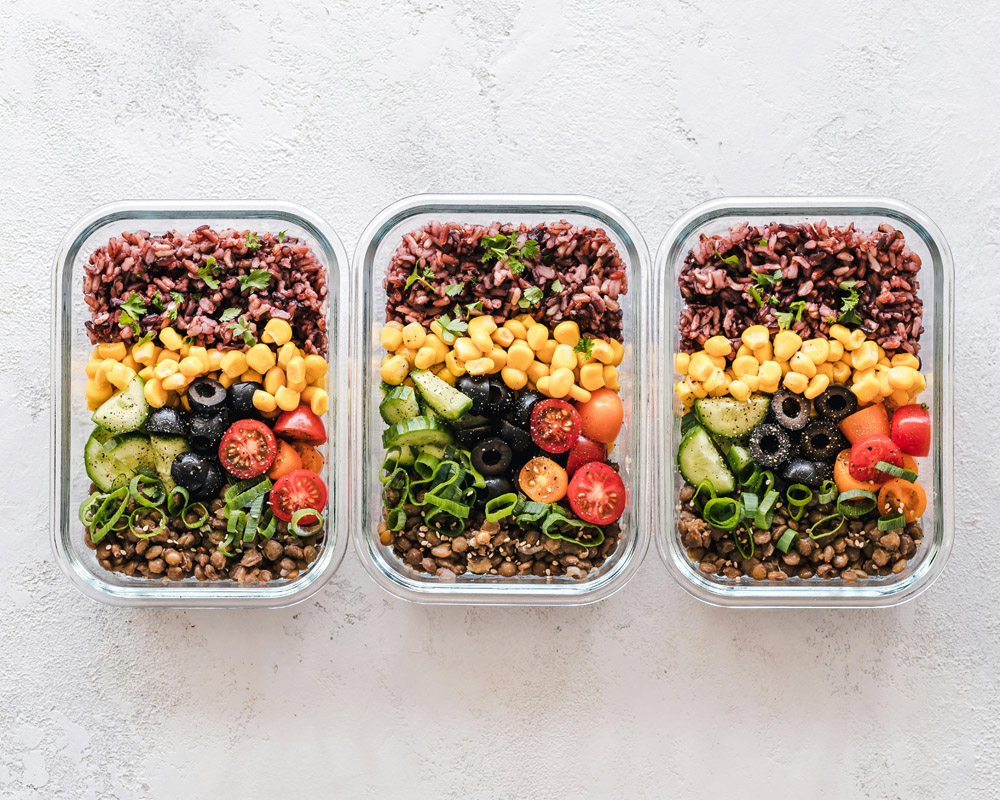
Meal planning is all about choosing foods that have a slower and more gradual impact on blood sugar levels. This approach emphasizes meals to support steadier energy throughout the day.
Following the Glycemic Index (GI) can help prevent blood glucose spikes or crashes by understanding how quickly carbohydrate-containing foods raise blood sugar. Foods with lower sugar digest more slowly. Thoughtfully structured meals can help balance blood sugar.
Extreme restriction or eliminating entire food groups isn’t the goal of low-GI meal plans; it’s instead a practical way to build meals around consistency and long-term sustainability.
Key Takeaways
- Low-glycemic meal planning is about balance
- Low GI meals can support steadier energy and more consistent eating habits
- Meal structure is more important than tracking every GI score
- Repeatable meals that are easy to prepare are easier to maintain long-term
- Use ready-to-eat options to support consistency and cut out planning fatigue
Planning Around Low-GI
Low-GI meal planning doesn’t require you to focus on an overwhelming number of things—it only requires you to focus on the right things.
How Does the Glycemic Index Work?
Glycemic Index (GI) might look intimidating, but it shouldn’t. The tool is used to rank carbohydrate-containing foods based on how fast they raise blood sugar levels.
So, foods with a lower GI are digested more slowly. Slower digestion releases glucose into the bloodstream more steadily. The result? More sustained energy, fewer blood sugar swings.
Why Glycemic Load Matters in Meals
GI clocks foods individually, but real meals are made up of combinations. Carb absorption is influenced by:
- Protein
- Fiber
- Fat
Quality low-glycemic meal planning takes this into account by focusing on overall meal balance instead of isolating GI values.
Benefits of Meals with Low GI
Since low-GI meals digest more slowly than their high-GI counterparts, they offer some potential benefits by preventing rapid high glucose spikes.
Steadier Energy Levels Through the Day
High-GI foods can make blood sugar levels fluctuate like rollercoaster rides. Blood sugar can spike and then crash suddenly, leaving people depleted or struggling to get through their days.
Minimizing high-GI foods means your meals are digested at a slower and steadier rate. For many people, this means feeling fuller longer and having fewer energy crashes. Mental clarity may also improve without the brain fog commonly associated with inconsistent blood sugar levels.
Blood Sugar Support Without Restriction
Balance beats limitations.
Low glycemic meal planning around low-GI foods and pairing them with protein and fiber is the best way to keep blood sugar responses stable without eliminating everything you enjoy.
What to Include in a Low-Glycemic Meal Plan

There’s no need to be ruthless or unforgiving with yourself when you’re formulating a low-GI meal plan. Carbohydrates don’t need to be eliminated, and you don’t need to box yourself into ultra-restrictive calorie quotas. Choose foods that digest more slowly, such as:
- Green vegetables
- Legumes
- Lean proteins (chicken, fish, eggs)
Pair Protein with Fiber
This combo impacts the way meals affect blood sugar, and healthy fats can also moderate how quickly glucose enters the bloodstream. Zooming in on GI values too closely leads people to lose sight of the balancing component of meal planning, which matters more.
The GI index gets messy when there’s too much focus placed on individual values and isolated ingredients. Real meals mean combinations of foods.
Low GI Meal Planning for Real People
It should go without saying, but everyone is unique in terms of life circumstances, schedules, dietary needs, and countless other components that affect our day-to-day.
Meal plans must be flexible. They have to account for the various factors that individuals bring to the table. That’s why simplicity must be baked into any worthwhile plan if it’s going to work. Once it feels like a daily puzzle to solve, it gets exhausting, and that’s where people give up.
Strive to value consistency over precision.
Leveraging Structure to Support Low-GI Meal Plans
Structure makes low-glycemic meal planning easier to maintain.
That’s why Personal Trainer Food offers meals built around high-protein and low-carb options that are fully prepared and quick to heat. Most importantly, it’s real food that tastes good.
If you’re ready to support your low-GI meal plan, learn more about how it works here.
Frequently Asked Questions About Low-GI Meal Plans
Aren’t low-GI and low-carb meals the same thing?
Not quite. People on low-GI diets are focused on how foods affect blood sugar. Low-carb meals are made to reduce total carb intake—many low-GI meals are naturally lower in carbs, but the two are not identical.
Do I need to track glycemic index values for every meal?
It usually isn’t necessary to track precise values. Low-glycemic meal planning is most effective when meals are built around balance and consistency. Simple patterns are almost always easier to follow long-term, and low-GI meals are no different.
I have a very busy schedule. Can I manage low-glycemic meals?
Absolutely. Most people who find success with low-GI meals have full schedules and need to juggle daily commitments. They minimize their daily decision-making on meals by planning ahead of time and having ready-to-heat-and-eat options at the ready.
Will it be possible to maintain a low-GI meal plan over the long term?
When executed tactfully, low-GI meal plans are actually incredibly easy to maintain. Rather than being consumed by chasing perfect choices, consistent, balanced meals are often more sustainable over time.

About the Writer: Sam Watts has nearly 10 years of experience in the health and wellness industry with a focus on fitness. He earned a BS in Movement Science from TCU in 2017 and uses it in his work as a Functional Movement Specialist. Currently, he is the owner of Watts Fitness and the Co-Owner of Personal Trainer Food.
Leave a Reply