If you’ve ever been on a weight loss journey or have needed to regulate your blood sugar through dieting, you’ve almost certainly tried figuring out.
People have been turning to low-carb diets for decades because they’re common with a clear objective. The bad news? First-timers often fail without proper guidance on how to cut carbs and give up.
It’s true, the magic diet doesn’t exist, and that’s disappointing. But a low-carb guide with practical steps rather than extreme measures will give first-timers the best odds of success.
Key Takeaways
- Learning how to cut carbs doesn’t mean total elimination or extreme rules
- An effective guide prioritizes increasing protein and reducing refined carbs
- Consistency is more important than obsessively tracking numbers
- Low-carb eating is easier to maintain when meals are fast and convenient
What Does “Cutting Out Carbs” Mean in Practice?

Low-carb diets aren’t no-carb diets. They also aren’t about tracking each gram of food consumed or agonizing over each calorie. Prioritizing structure over perfection matters most.
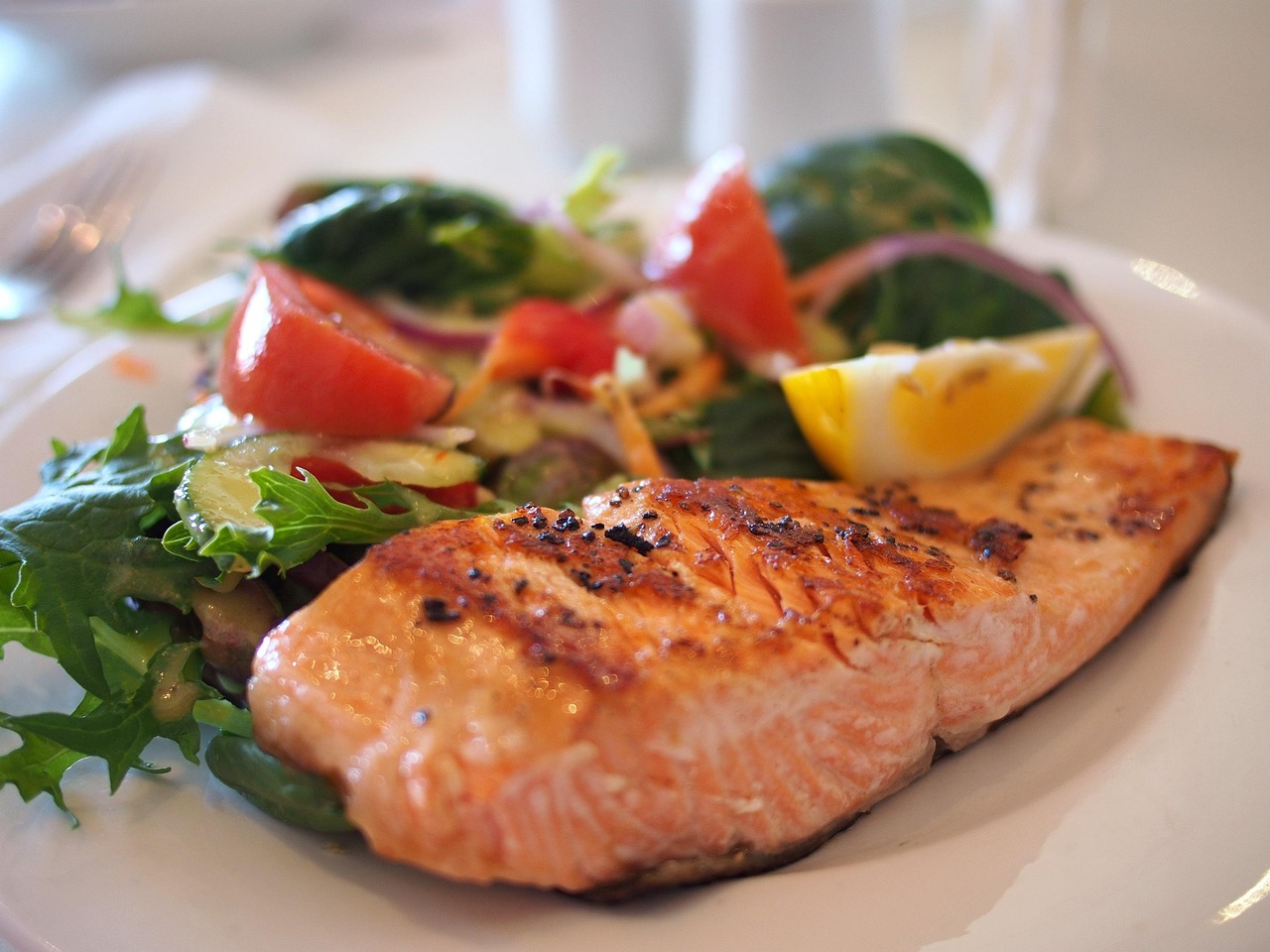
Meals built around high-protein foods with fewer refined carbs can support fullness and energy.
Reducing friction and making meal decisions simple is usually half the battle. The entire process works best when it feels manageable.
Common Mistakes People Make Learning How To Cut Out Carbs
Most setbacks occur when people become ambitious and try doing too much too fast. Once they find themselves fighting the approach itself, things go south, and that’s a wrap. Let’s talk about a few paths unsuccessful dieters fall down, then cover best practices for success.
Going too Extreme too Quickly
A motivated person will often try a lift that is far too heavy when they start, then get injured.
The same concept applies here—first-timers think they can cut out a massive portion of their carbs and staples and make drastic changes right away.
They get burned out and struggle to sustain their plan.
Numbers Over Habits
People use tracking apps or obsess over labels each time they sit down to eat, which can quickly make the entire diet feel overwhelming. This level of precision creates unrealistic expectations and sets people up for failure because the bar is too high.
Over-Reliance on Bland and Unsatisfying Meals
Many folks Google “how to cut out carbs” and end up following bad advice that has them eating food that tastes like cardboard. Sustaining any diet will feel nearly impossible if just getting the food down feels like a job.
Low-carb diets don’t need to be low-taste diets.
Thinking Everything Can Be Done From Scratch
Preparing every meal from raw ingredients sounds great at first.
If you have a busy schedule, it doesn’t take long to realize how much work and time are required to keep preparing your own meals day in and day out. They wind up opting for convenience foods or takeout. Then, they lose confidence in their ability to sustain the diet.
A Practical Low-Carb Guide for Busy Adults

Low-carb diets only work if they fit into real life.
Success is easier to achieve by simplifying food choices instead of overhauling them all at once.
These are a few helpful stepping stones:
- Prioritize protein whenever you can; it helps with satiety and cravings
- Make an enemy of refined, high-carb foods
- Utilize consistent portions instead of bending over backwards tracking numbers
- Eat meals you actually like to keep the approach sustainable
- Find simple meal combos you can repeat to limit decision fatigue
Pitfalls are easier to avoid once you understand how food impacts glucose levels.
How PTF Helps You Learn to Cut Out Carbs
Consistency is often the big hurdle when folks are learning how to cut out carbs.
Personal Trainer Food supports a low-carb approach. With fully-prepared meals high in protein that are heat-and-eat ready, customers can store and use their frozen meals at their convenience rather than rushing against the clock to prepare the food before it wilts.
The decision-making process is made simpler with:
- Low-carb meal structures with high protein content
- Single-serve portions that get rid of unnecessary guesswork
- Microwave-ready convenience for plates ready in 1-3 minutes
- Meals that taste good compared to traditional diet foods
Why Convenience Makes Low Carb Eating Stick
Motivation is rarely the reason low-carb plans fail. Time is often the culprit when people are trying to figure out how to cut carbs. There’s an impression that low-carb meals are complicated, unsatisfying, and inconvenient for busy people.
You may have the best intentions and still feel fatigued after spending too much time on meal prep or trying to decide what to prepare in the first place. Bread, rice, noodles, and other high-carb foods are easy and filling, and they’re tasty. A lot of quick, easy freezer meals are often rich in carbs and convenient, but hurt weight loss goals.
Great-tasting meals that are easy to take from freezer to plate, and still support weight loss goals with high protein, can help sustain good habits on even the busiest days when cooking isn’t realistic and can prevent demoralizing trips to the drive-through.
Planning meals ahead of time supports structured eating and can even lessen cravings. Structure builds confidence and dietary discipline.
Wrap Up: Cutting Carbs Without the Stress
Learning how to cut out carbs doesn’t require tracking apps with expensive subscriptions or restrictive lifestyles that feel impossible to maintain. Success comes from keeping things simple and consistent.
Protein-focused, ready-to-eat meals designed for real life make results more achievable. Personal Trainer food offers an easy way to get started with tasty, quick meals ready in minutes with minimal clean up.
Choose your meals. Heat, eat, and get on with your day. Results vary from person to person, but we’re here for you all the way.

About the Writer: Sam Watts has nearly 10 years of experience in the health and wellness industry with a focus on fitness. He earned a BS in Movement Science from TCU in 2017 and uses it in his work as a Functional Movement Specialist. Currently, he is the owner of Watts Fitness and the Co-Owner of Personal Trainer Food.
Leave a Reply